
Zirconia stands at the intersection of material science and industrial necessity. While the name might sound exotic, zirconium oxide (ZrO₂) has quietly enabled critical manufacturing processes since the 1950s, performing reliably under conditions that destroy conventional materials.
Understanding zirconia begins with recognizing what sets it apart from alternatives like alumina, magnesia, or silica-based refractories. The material’s unique crystalline structure can be manipulated through partial or full stabilization with compounds like magnesia, calcia, or yttria. This engineering flexibility allows manufacturers to dial in specific properties for demanding applications, from investment casting crucibles to precision grinding media.
We’re Your Zirconia Experts: Our specialists are here to help with material selection, custom solutions, and technical guidance for your specific applications.
The Core Benefits of Zirconia
Zirconia’s performance advantages derive from fundamental material properties that solve real industrial challenges. The material excels in four critical areas where conventional refractories and ceramics struggle.
Thermal shock resistance defines zirconia’s reputation in high-cycling applications. Unlike materials that crack when subjected to rapid temperature changes, zirconia maintains structural integrity through thermal cycles from room temperature to more than 1500°C in as little as 30 seconds. This property proves essential in investment casting operations where crucibles undergo repeated heating and cooling cycles, and in steel continuous casting where components face constant thermal stress.
Chemical inertness at extreme temperatures makes zirconia the go-to material for molten metal contact. The material resists corrosive attack from aggressive alloys, caustic slags, acids, and harsh atmospheres that would degrade standard refractories. Investment foundries melting superalloys, precious metal refiners processing platinum group metals, and glass manufacturers working with corrosive melts all rely on zirconia’s chemical stability.
Transformation toughening represents zirconia’s most elegant property. When subjected to fracture stress, the material undergoes a crystalline phase change that causes the stressed area to expand, effectively closing cracks before they propagate. This self-healing mechanism prevents catastrophic failure in components facing mechanical stress, thermal shock, or impact loading.
Superior thermal insulation delivers measurable energy savings. Zirconia provides up to five times the insulating value of alumina or magnesia backup materials, reducing heat loss through furnace walls and maintaining tighter temperature control. For operations running continuous high-temperature processes, this translates directly to reduced operating costs and improved thermal efficiency.
Zirconia Applications Across Critical Industries
Zirconia solutions address specific challenges in industries where material failure creates significant operational and safety risks.
Investment casting operations serving aerospace and industrial gas turbine manufacturers depend on zirconia crucibles for melting cobalt and nickel-based superalloys. These crucibles must deliver clean melts free from contamination while withstanding temperatures exceeding 1650°C and the corrosive nature of reactive alloys. Zirconia’s low wettability prevents alloy contamination while multi-use capability reduces operational costs compared to disposable crucible systems.
Steel production facilities use zirconia components throughout continuous casting systems. Tundish metering nozzles manufactured from various zirconia compositions enable casting times ranging from 8-12 hours up to 24+ hours depending on steel grade and operational requirements. Slide gate plate inserts provide the erosion resistance needed for challenging steel grades while reducing overall steelmaking costs through extended service life.
Glass manufacturing above 1900°C requires materials that maintain dimensional stability while resisting both thermal shock and chemical attack from molten glass. Zirconia brick, custom shapes, and castable materials create furnace linings that outperform traditional refractories, particularly in crown and superstructure applications where temperatures and corrosive atmospheres are most severe.
Precious metals processing demands materials that won’t introduce contamination during melting and refining operations. Zirconia crucibles engineered specifically for platinum group metals combine inertness to the melt with high-temperature capability, enabling clean processing of gold, silver, platinum, palladium, and other valuable metals.
Technical ceramics applications leverage fine-grain, fully-densified zirconia for grinding media, dispersion beads, extrusion dies, and wear-resistant components. The material’s exceptional hardness, wear resistance, and chemical stability enable processing operations that would quickly degrade alternative materials.
Tailored Solutions for Extreme Conditions
What distinguishes zirconia from commodity refractories is its engineerable nature. Manufacturers like Zircoa don’t simply supply standard products — they develop specific compositions optimized for individual applications. Partial stabilization with magnesia suits molten metal environments subject to extreme wear, while calcia stabilization performs better in continuous high-temperature cycling without metal contact.
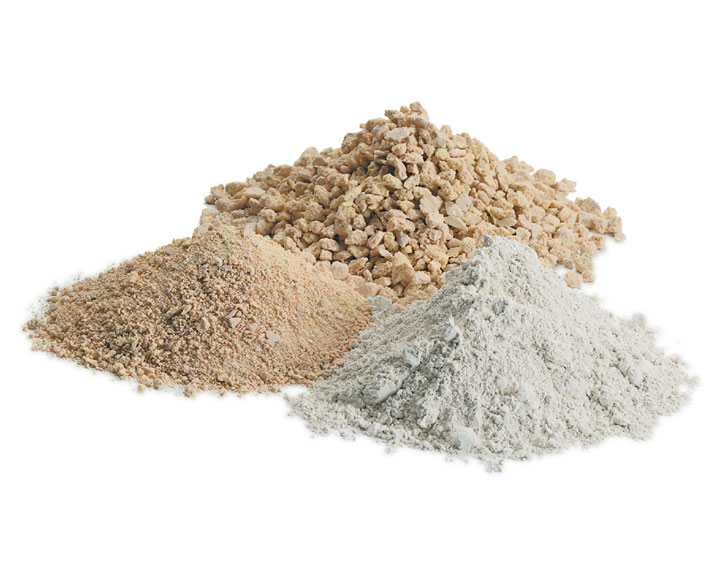
The material takes three primary forms to address different operational needs. Coarse-grain specialty refractories engineered with controlled porosity balance thermal shock resistance with erosion resistance for furnace linings and metal contact applications. Dense technical ceramics manufactured from fine-grain compositions deliver impervious, wear-resistant surfaces for milling, grinding, and precision component applications. Granular products, including Zircoa’s proprietary A Grain zirconia powder, provide either raw materials for custom solutions or superior thermal insulation when used as backup material behind primary refractories.
Go Beyond Standard Materials With Zircoa
Industries facing extreme operating conditions can’t afford material failures that cause costly downtime, compromised product quality, or safety incidents. Zirconia bridges the gap between what standard materials can withstand and what advanced industrial processes demand, and Zircoa is proud to leverage our long-standing expertise with zirconia to find solutions for our customers.
The material’s seven decades of proven performance across diverse applications reflect both its technical capabilities and the specialized expertise required to properly specify, manufacture, and apply zirconia solutions. As industrial processes continue pushing temperature, purity, and efficiency boundaries, engineered zirconia compositions provide the foundation for reliable operations in conditions where failure isn’t an option.
Ready to solve your toughest high-temperature material challenges? Contact the Zircoa team to discuss how our specialty zirconium oxide solutions can deliver the thermal stability, chemical resistance, and operational reliability your specific application demands.