Why the AI Build-Out Runs Through the Furnace
Most coverage of AI infrastructure focuses on chips and power contracts. Less attention goes to the manufacturing that comes before either one, and much of that manufacturing happens inside furnaces running at extreme temperatures.
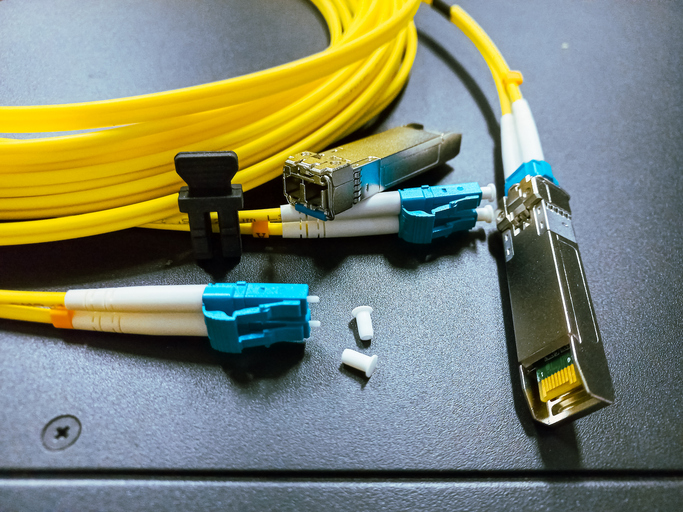
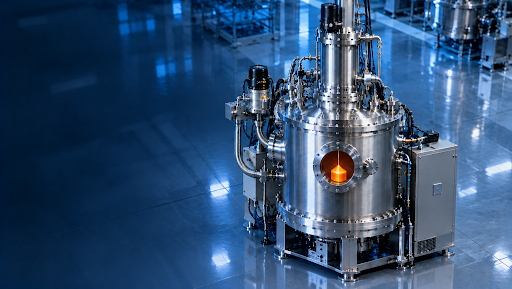
Start with the connections between processors. Industry analysts expect nearly all AI data center interconnects to move from copper to optical links within five years. Optical components rely on single crystals grown slowly from molten material, in furnaces that must hold a stable thermal environment for days at a time.
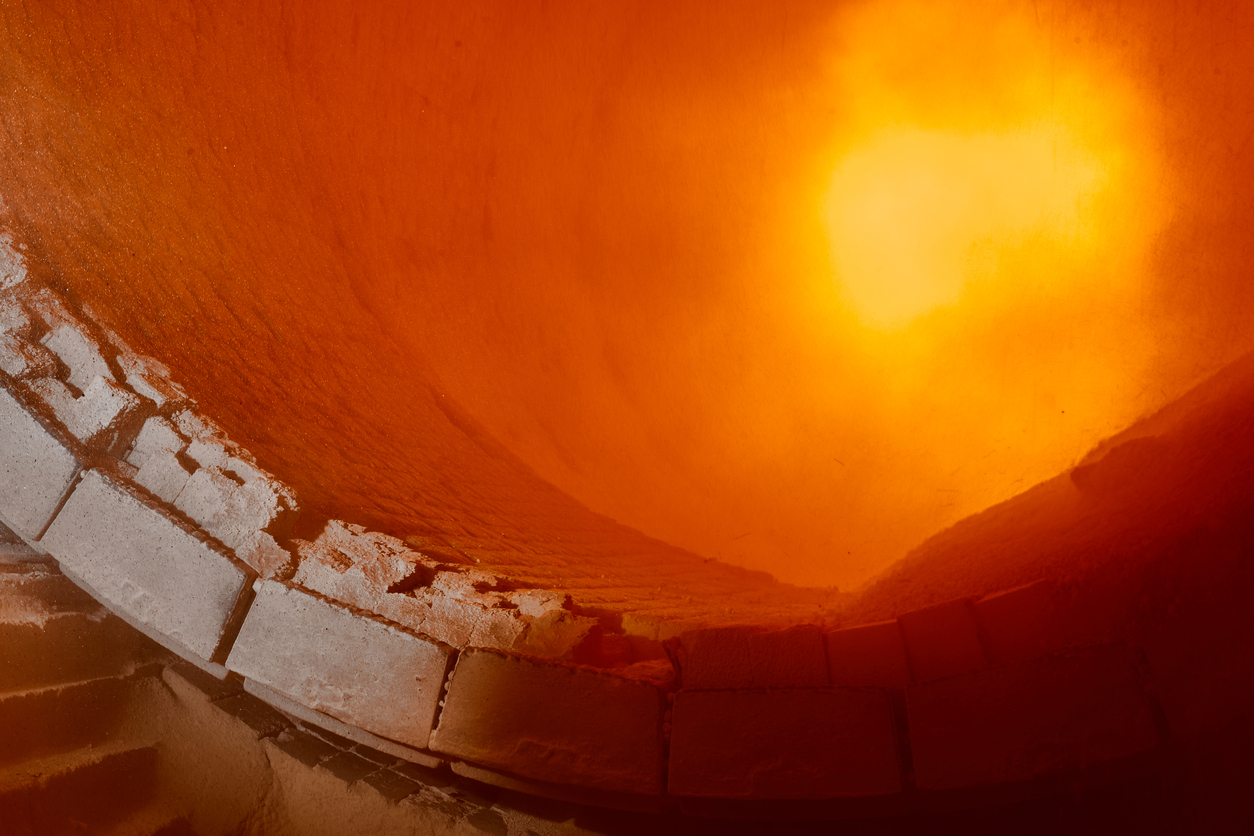
The chips follow a similar path. Semiconductor manufacturing uses high-purity quartz vessels, and that quartz is melted from silica in furnaces where the refractory must withstand extreme heat without contaminating the melt.
Then there is power. AI facilities need more electricity than existing grids were built to supply, which is driving new investment in nuclear generation and industrial gas turbines. Those turbines depend on nickel and cobalt superalloy components made by investment casting, another process built around molten metal.
Every facility in this build-out is also built with steel, and steel production depends on refractory throughout the process.
Across all of these processes, the requirement is the same: a refractory that holds its insulating value at extreme temperatures, survives repeated thermal cycling, and adds nothing to the process environment. The articles below cover each step in detail.